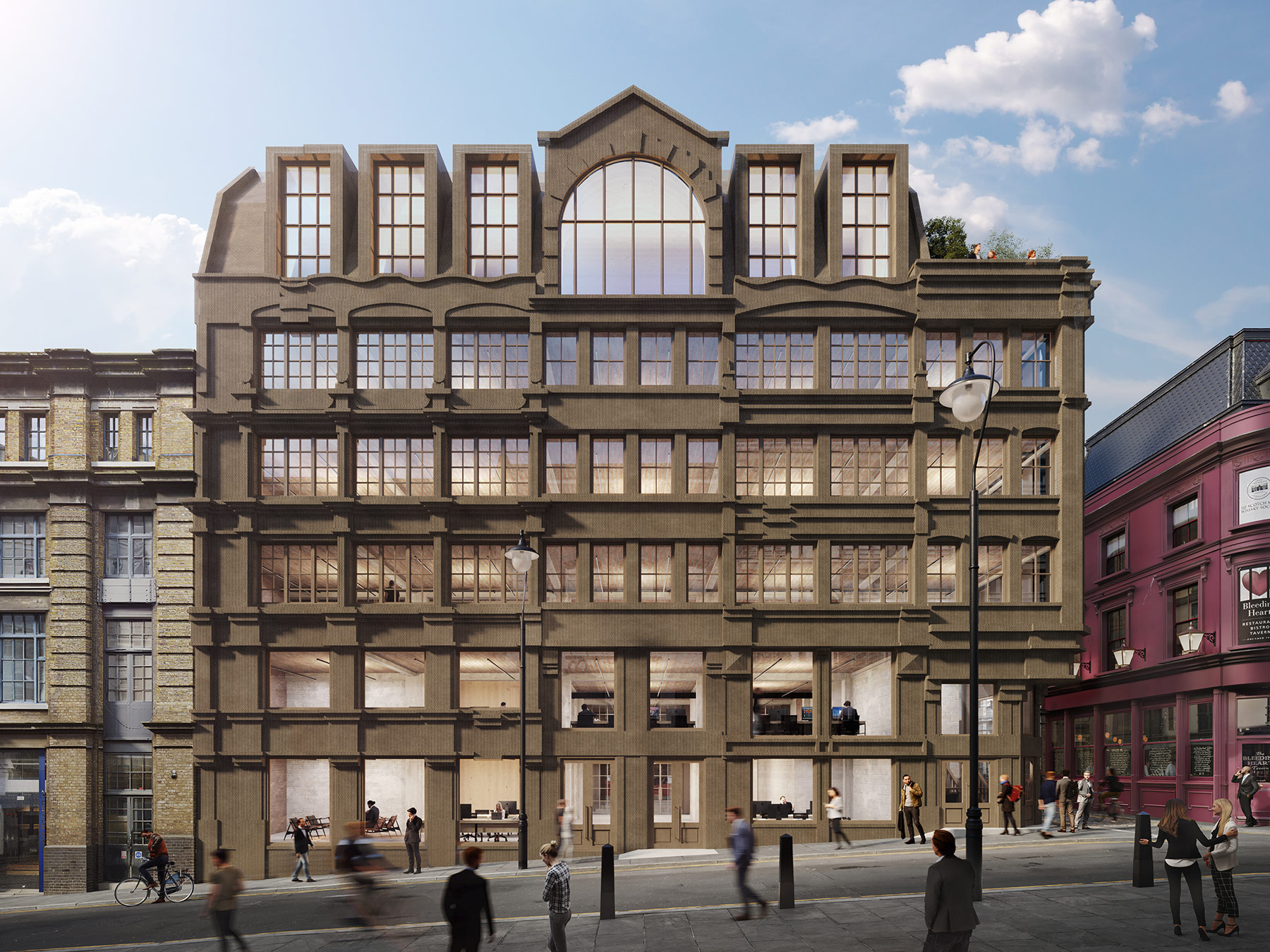
800 YEARS
OF HISTORY
The Address
BLEEDING HEART YARD IS DISCRETELY LOCATED ON GREVILLE STREET, JUST OFF HATTON GARDEN. THE COBBLED YARD HAS A HISTORY SPANNING NEARLY A MILLENNIUM.


The Yard was originally part of the Bishop of Ely’s London Palace and Gardens which was grounded by The Bishop’s chapel. The chapel, which exists to this day, is known as Church of St Etheldreda (Grade I listed) and sits 100 metres to the southwest of 8 Bleeding Heart Yard today.
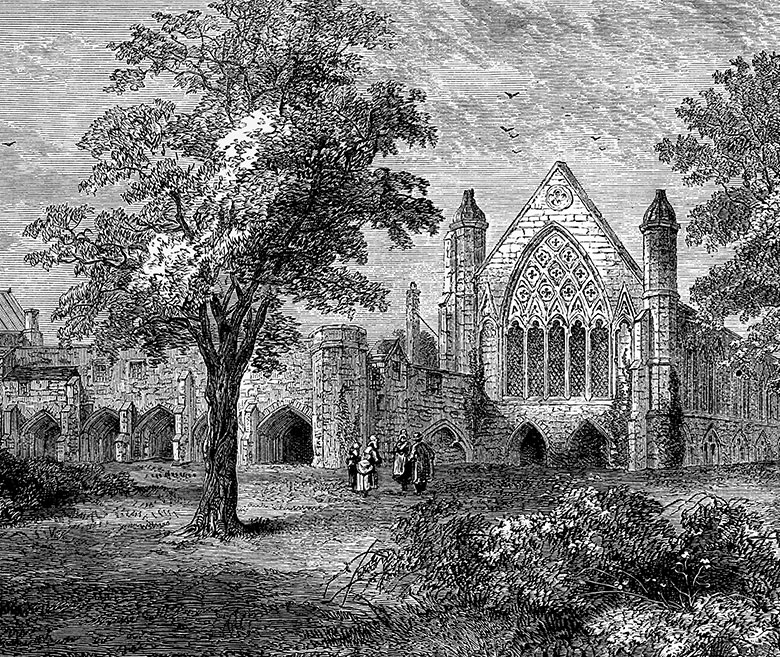
THE CHAPEL OF ST ETHELREDA, ELY PALACE, HOLBORN



THE BISHOP OF ELY
The Bishop of Ely yielded a lease of part of his property, including the site of 8 Bleeding Heart Yard, to the courtier and politician Christopher Hatton. Over the years, Sir Christopher Hatton slowly developed the estate into what became known as Hatton Garden today.

The Yard was formalized through the erection of buildings to the east, west and south sides. The earliest evidence of Bleeding Heart Yard appears on John Rocque’s Map of London, Westminster and Southwark.
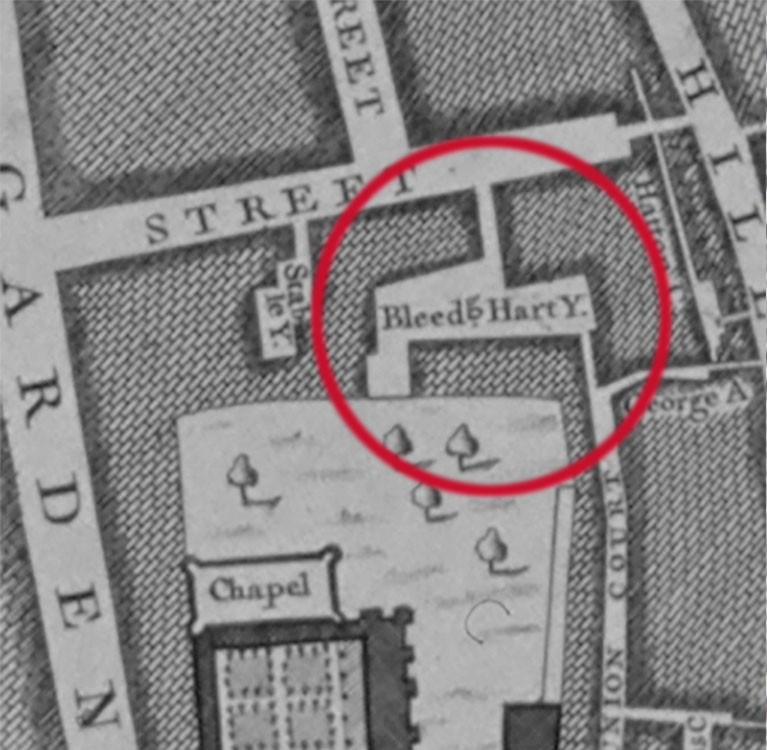
JOHN ROCQUE, MAP OF LONDON, WESTMINSTER, 1746

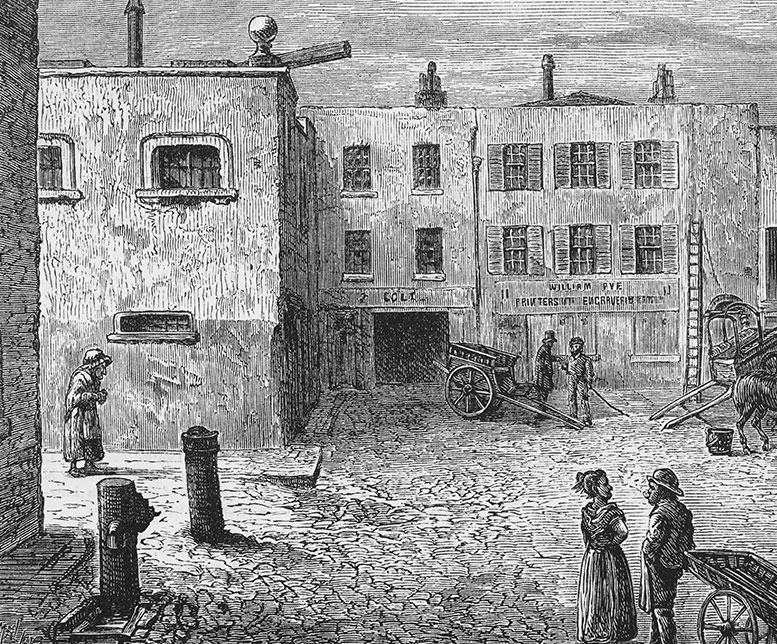
The area undergoes rapid commercial development for industrial and office use. Early 19th century records of Bleeding Heart Yard document flourishing commercial activities, including an optician, silversmith, copper plate printer, ivory dealer and surgeon.
BLEEDING HEART YARD FROM WALTER THORNBURY’S OLD AND NEW LONDON, 1873
Bleeding Heart Yard is immortalized by Charles Dickens when referenced as the home of the Plornish family in Little Dorrit.
…A PLACE MUCH CHANGED IN FEATURE AND FORTUNE, YET WITH SOME RELISH OF ANCIENT GREATNESS ABOUT IT. TWO OR THREE MIGHTY STACKS OF CHIMNEYS, AND A FEW LARGE DARK ROOMS, WHICH HAD ESCAPED BEING WALLED AND SUBDIVIDED OUT OF THE RECOGNITION OF THEIR OLD PROPORTIONS, GAVE THE YARD A CHARACTER
(LITTLE DORRIT, 1856).

Hatton Garden becomes the centre of London’s wholesale trade in diamonds and remains to this day a central trade area for jewellery and precious stones.
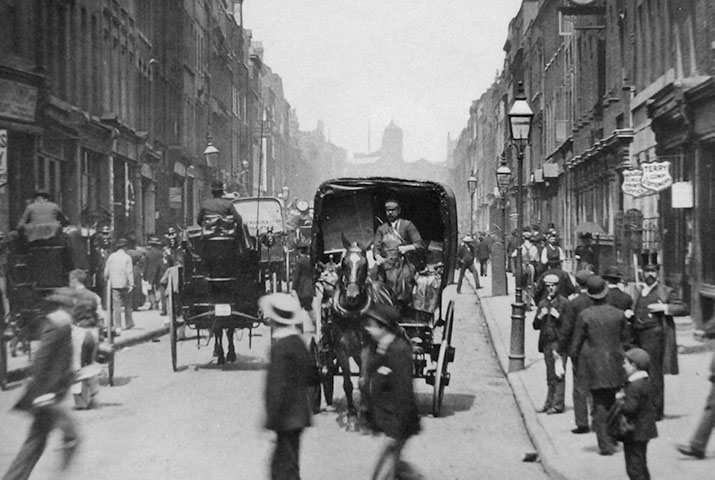
HATTON GARDEN, 19TH CENTURY
No. 20-23 Charles Street (now 8 Bleeding Heart Yard) was occupied by Newton’s Glass Warehouse, an esteemed glass manufacturer.
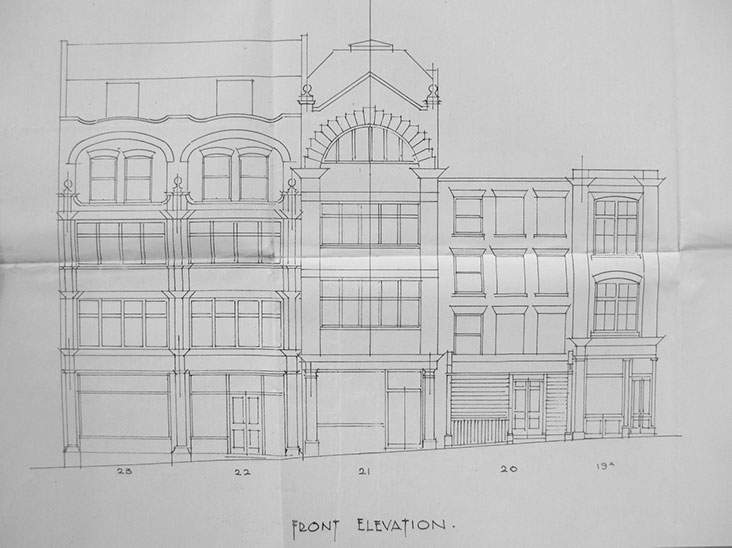
SPENCER GRANT, EXISTING FRONT ELEVATION, 20-23 GREVILLE STREET, 1922, LONDON METROPOLITAN ARCHIVES

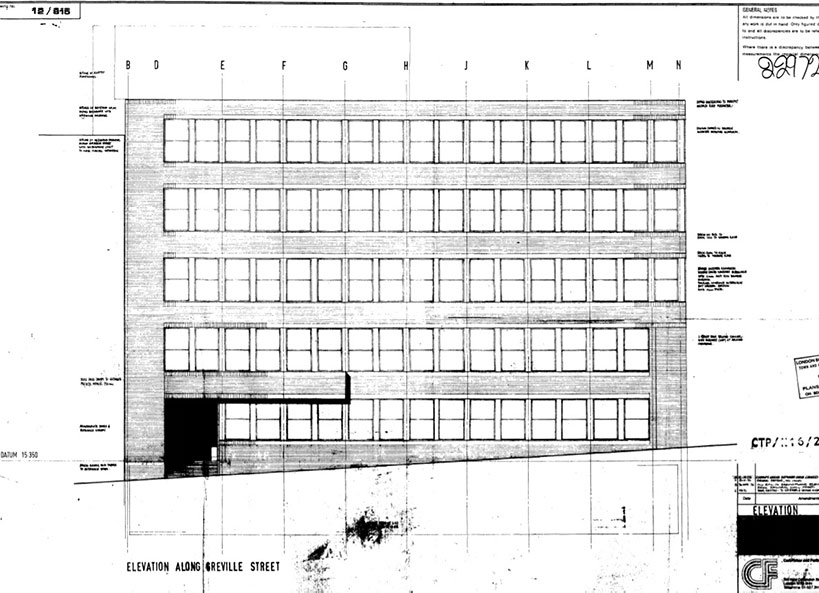
CARL FISHER AND PARTNERS, NORTH ELEVATION, 1976
The building was demolished and a new structure, typical of its era and designed by Carl Fisher & Partners, is erected.

Seaforth Land restores 8 Bleeding Heart Yard to its former glory using sustainable building methods, influenced by Spencer W Grant’s 1922 redesign plans of Newton’s Glass Warehouse.
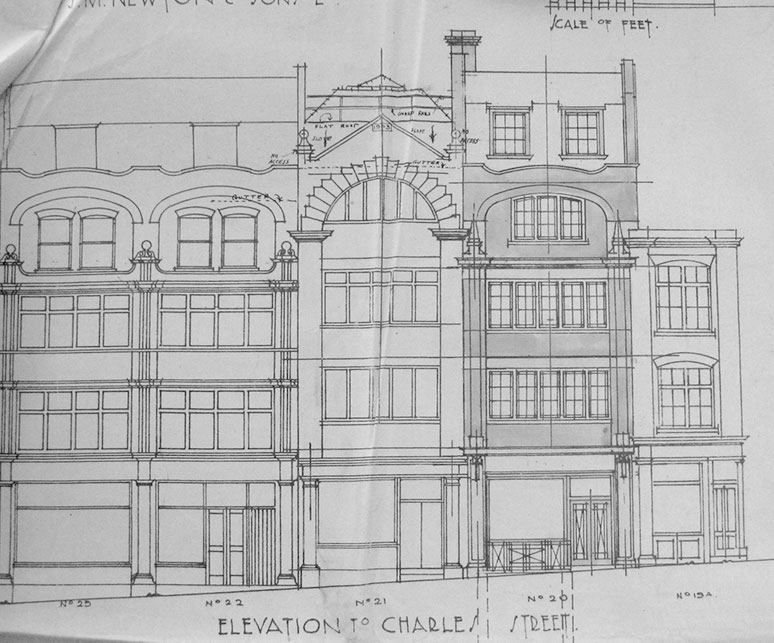
SPENCER GRANT, FRONT ELEVATION SHOWING PROPOSED REBUILDING OF 20 GREVILLE ST 1922, LMA
A NEW CHAPTER